
Are Motorcycle Jackets Really Necessary for Riding?
It is a question almost every rider asks at some point — usually on a warm day, looking at a perfectly normal jacket hanging by the door, wondering whether a dedicated motorcycle jacket is really worth the cost and effort. Surely a regular jacket offers some protection? Surely short rides are low risk?
The honest answer is that a motorcycle jacket is one of the few pieces of gear where the difference between "wearing it" and "not wearing it" can be the difference between walking away from an incident and a serious, life-altering injury. This is not an exaggeration for effect — it is simply how the physics of a motorcycle accident works.
This guide looks at exactly why motorcycle jackets matter, what they protect against that regular clothing cannot, and addresses some of the most common reasons riders give for skipping them.
In this guide, you will learn:
- What actually happens to the body in a motorcycle fall
- Why regular jackets do not offer meaningful protection
- What a motorcycle jacket specifically protects against
- Common reasons riders skip jackets — and why they do not hold up
- How to make wearing one easier, not harder
What Actually Happens in a Motorcycle Fall
To understand why a motorcycle jacket matters, it helps to understand what happens physically when a rider comes off a bike — even at relatively low speeds.
The moment contact with the road occurs, the body is moving at whatever speed the bike was travelling. That speed does not disappear instantly. The body slides, tumbles, or is thrown, and during that motion, skin and clothing are dragged against tarmac, gravel, or other surfaces.
This is where road rash comes from — and it happens far faster than most people expect. At speeds as low as 15-20 mph, exposed or thinly covered skin can suffer significant abrasion injuries within a second or two of contact with the road. The friction generates heat as well as mechanical abrasion, which is why road rash injuries are often deeper and more serious than they initially appear.
Beyond road rash, impact injuries occur when the body strikes the road surface, the bike, or other objects. Shoulders, elbows, hips, and the back are common impact points, and the forces involved can cause fractures, dislocations, and soft tissue damage even in what might be described as a "low-speed" fall.
Why Regular Clothing Does Not Help
A common assumption is that any jacket offers some protection — that wearing something is better than wearing nothing. In terms of abrasion resistance, this is only true to a very limited degree, and the difference is far larger than most people expect.
Regular Fabrics Fail Almost Instantly
Standard cotton, denim, and synthetic fabrics used in everyday clothing are simply not designed to withstand contact with tarmac at speed. In testing and real-world incidents, regular clothing typically wears through within a fraction of a second of sliding contact — often before the body has even come to a stop.
Once the fabric is gone, skin makes direct contact with the road surface. From that point, the injury is no longer "abrasion to clothing" — it is abrasion directly to skin, and it continues for as long as the slide lasts.
No Armour, No Structure
Beyond abrasion resistance, regular jackets offer no impact protection whatsoever. There is no armour at the shoulders or elbows, no back protection, and no structure designed to absorb or distribute impact force. A regular jacket might reduce a scrape to some degree, but it does nothing for the blunt force trauma that causes many of the more serious injuries in motorcycle accidents.
A Common Misconception: "It's Just a Short Ride"
One of the most persistent reasons riders give for not wearing proper gear is that the ride is short — to the shop, around the corner, somewhere familiar. The data on this is consistent and worth taking seriously: a significant proportion of motorcycle accidents happen on short, familiar journeys, often close to home, at relatively low speeds. Distance and familiarity do not reduce the need for protection — if anything, the informality of short rides is precisely when riders are most likely to skip gear, which is part of why these journeys feature so heavily in injury statistics.
What a Motorcycle Jacket Actually Protects Against
A motorcycle jacket is built specifically to address the gap between what regular clothing can do and what a fall actually involves.
Abrasion Resistance
Whether made from leather or technical textile, a motorcycle jacket is constructed from materials specifically chosen and tested for their ability to resist abrasion during a slide. Full-grain leather and high-denier textiles like Cordura can withstand sliding contact with tarmac for significantly longer than regular fabrics — often the difference between a slide ending with a torn jacket and one ending with serious skin injury.
Impact Armour
Quality motorcycle jackets include CE-certified armour at the shoulders and elbows as standard, with many also offering back protection. This armour is designed to absorb and spread impact force across a wider area, reducing the concentrated force that would otherwise be transmitted directly to bone and joints.
Structural Integrity
A motorcycle jacket is constructed to stay in place during a fall — secure cuffs, a properly fitted body, and reinforced seams all help ensure the jacket (and the armour inside it) remains positioned correctly throughout a slide or impact, rather than riding up or shifting away from the areas it is meant to protect.
Common Reasons Riders Give for Not Wearing One — And Why They Do Not Hold Up
"It's Too Hot"
Heat is a legitimate concern, particularly in summer, but it is also one of the easiest to address. Modern motorcycle jackets — particularly textile options — include extensive ventilation, mesh panels, and lightweight summer-specific designs that are dramatically cooler than older leather jackets while still offering proper abrasion resistance and armour. The discomfort of heat is temporary and manageable; the consequences of an unprotected fall are not.
"It's Just a Quick Trip"
As covered above, short trips are statistically significant in motorcycle injury data. The brevity of a ride has no bearing on what happens if something goes wrong during it.
"I'm a Careful Rider"
Rider skill and care reduce the likelihood of being at fault in an accident, but they do not eliminate the possibility of an accident occurring. A significant proportion of motorcycle incidents involve another vehicle — a driver pulling out without looking, misjudging a gap, or simply not seeing the rider. No amount of personal skill changes how the body interacts with the road if a fall occurs, regardless of cause.
"Jackets Are Expensive"
While quality gear is an investment, the range of motorcycle jackets available today spans a wide range of price points, and even entry-level options offer meaningfully better protection than no jacket at all. The cost of a jacket should be weighed against the cost — financial and otherwise — of an injury that proper gear could have prevented or reduced.
"I Don't Like How It Looks"
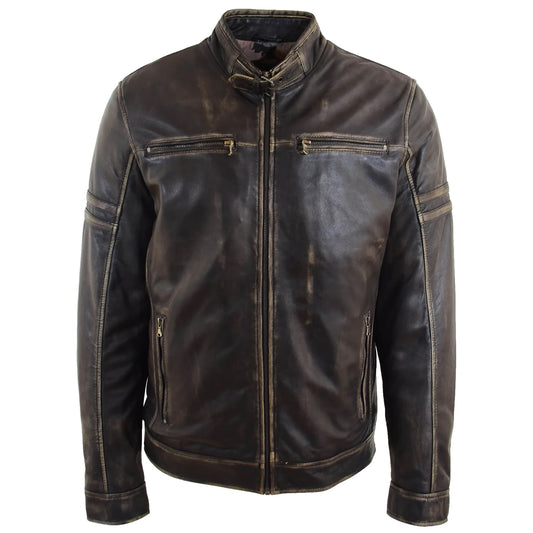
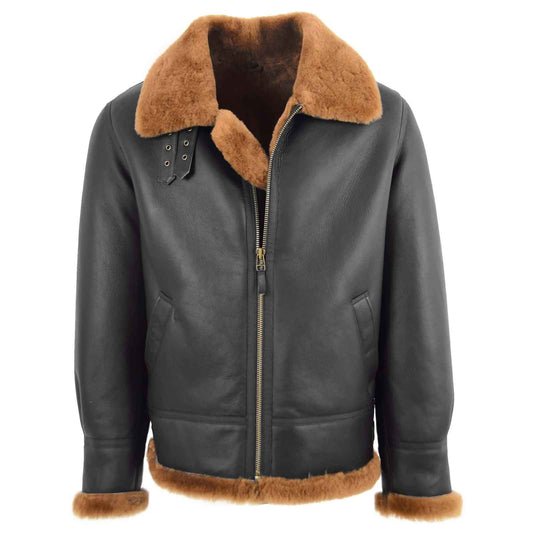
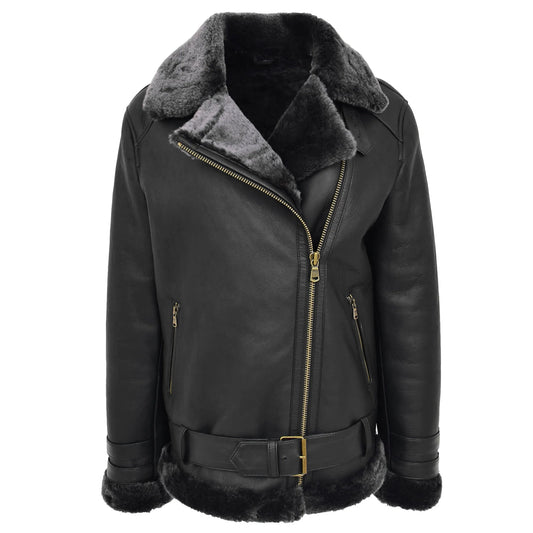
This is increasingly less of a valid concern, as the range of motorcycle jacket styles has expanded significantly. From classic leather biker jackets to understated textile designs that look like ordinary jackets, there are options that meet both protection needs and personal style preferences.
Making It Easier to Wear One Every Time
The riders who wear protective gear most consistently tend to be the ones who have removed friction from the decision — gear that is comfortable, suits their riding style, and is easy to put on becomes a habit rather than a choice made each time.
Choose gear suited to your conditions. A jacket that is too hot, too heavy, or impractical for your typical rides is a jacket that gets left at home. Choosing gear specifically suited to your climate and riding pattern — as covered in guides on matching jackets to riding style — makes consistent use far more realistic.
Keep it accessible. Gear that is easy to grab and put on quickly removes one of the most common excuses for skipping it on short or spontaneous rides.
Think of it as part of the bike, not an accessory. Riders who view protective gear as a fundamental part of riding — no different to wearing a seatbelt in a car — rarely think twice about putting it on. It becomes automatic rather than optional.
Final Thoughts
A motorcycle jacket is not an optional extra, and it is not primarily about style — though modern options offer plenty of that too. It exists specifically to address what happens to the human body in a fall, in ways that regular clothing simply cannot.
The honest answer to whether motorcycle jackets are necessary is straightforward: yes, every time, regardless of distance, weather, or how careful a rider you are. The road does not distinguish between a short trip and a long one, or a careful rider and a careless one. Gear is what makes the difference when something goes wrong — and on a motorcycle, the margin for error is measured in skin, not just outcomes.
Wear the jacket. Every ride, every time.